
Strategic Plan 2026-2031
Explore the AOM's new
strategic directions and vision for a
stronger, more sustainable future for
Ontario midwifery
What is a midwife?
Find out what makes midwifery care
in Ontario so unique



Midwifery Sustainability
Learn about the AOM's work to understand, make recommendations and advocate for systemic reforms to support healthier midwifery futures, healthier communities and a thriving Ontario health system.

Indigenous Midwifery
Find out more about why the restoration and renewal of Indigenous midwifery is one of our four strategic goals.

Birthplace Options
Home, hospital, birth centre — your midwife provides you the same excellent care no matter where you give birth.

Latest News
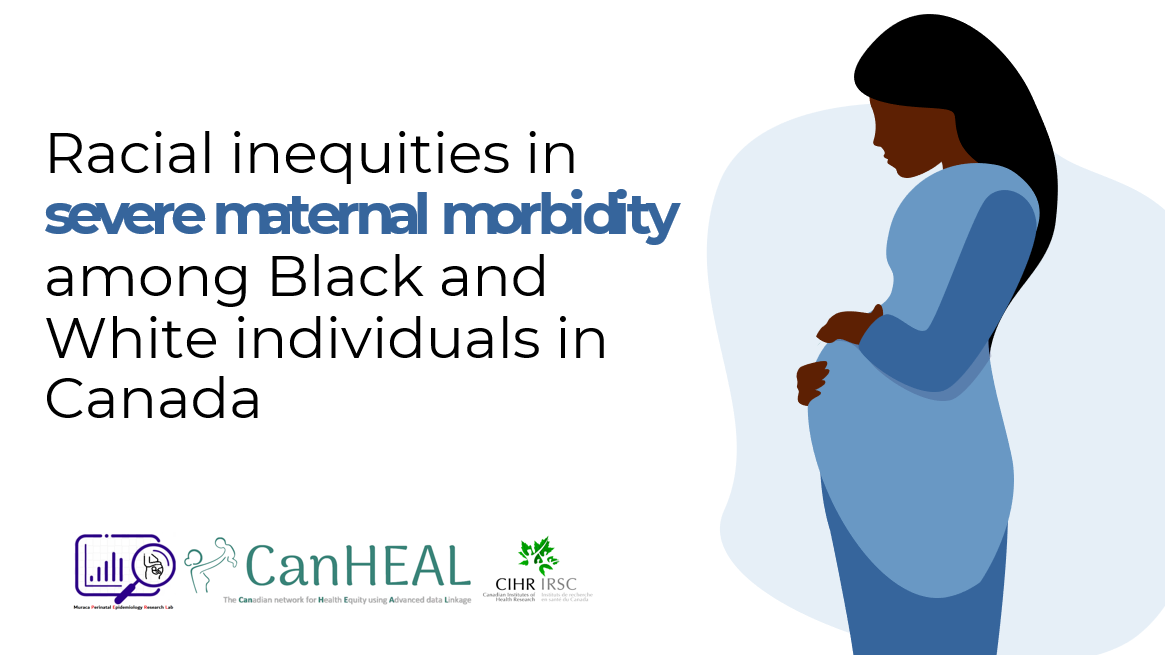
New Canadian research highlights racial inequities in maternal health
A new study pufblished by the Canadian Medical Association Journal (CMAJ) highlights important evidence supporting the existence of racial inequities in maternal health outcomes across Canada. The study, "Racial inequities in severe maternal morbidity among Black and white people in Canada," found …

Labour Day: Acknowledging and celebrating Ontario midwives’ labour
From the Toronto printers’ strike of 1872 that led to a movement for workers’ rights and later a federal statutory holiday, Labour Day celebrates the collective power of workers across North America. None of the protections now associated with the labour movement were granted automatically. They we…

Becoming an Indigenous Midwife: Nancy Peters on her journey, community and connection
Nancy Peters is an Anishinaabe apprentice midwife, currently in her fourth and final apprenticeship year at the Six Nations Maternal and Child Centre (Tsi Non:we Ionnakeratstha/Ona:grahsta) on Six Nations of the Grand River territory. With graduation approaching, Nancy is preparing to step into her role as an Indigenous Midwife while exploring ways to eventually bring midwifery care back to her home community. We spoke with Nancy about her journey, the challenges she has navigated, and what she would say to others considering this work.
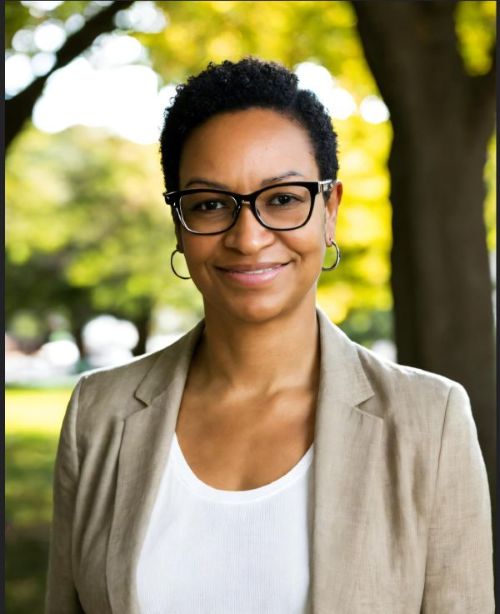
Embedding equity in health systems: Lessons from 'Remi Ejiwunmi on midwifery models at Trillium Health Partners
Midwife ‘Remi Ejiwunmi, Vice President of the future Shah Family Hospital for Women and Children, shared reflections at Minofest 2026, the Racialized Reproductive and Maternal Health Conference held at North York General Hospital, on why midwifery is key to designing equitable health systems. This year’s theme explored how data is used in perinatal and reproductive health care, raising important questions about who it serves and excludes, and how systems can be redesigned to better support marginalized communities. For Black and racialized families in Canada, these are urgent, lived realities.
Find a Midwife


Ontario midwives practice in clinics in 100 communities across Ontario, from Attawapiskat to Windsor, Belleville to Kenora. Approximately 20% of all births in the province are attended by midwives. You don't need a referral from a doctor to have a midwife, and midwifery care is covered by the health-care system.
Contact a practice in your area to find out more information.